





CHILL LAB 超正常研究室 – 關注青少年的精神健康,讓參加者覺察及表達當下的情緒並調適自己

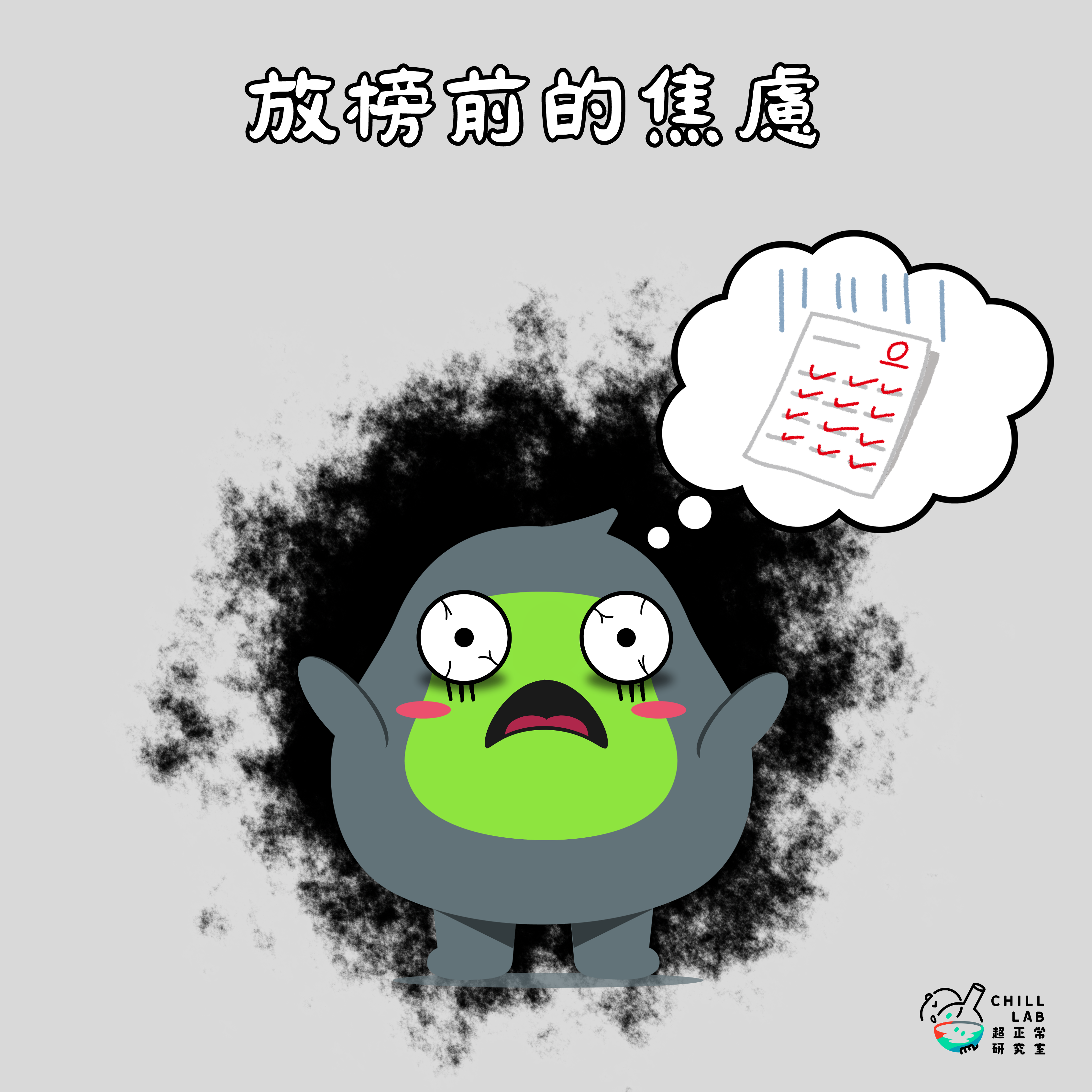
Anxiety before DSE results release

As the DSE results release date is approaching, have you ever felt nervous, worried, panicked, or frightened? Students are concerned about their test results and may feel anxious when thinking about their prospects, as the choices and changes they are going to encounter may significantly impact their future. If students can adequately understand and deal with their anxiety, it will help them maintain good well-being to face the coming new stages and challenges.

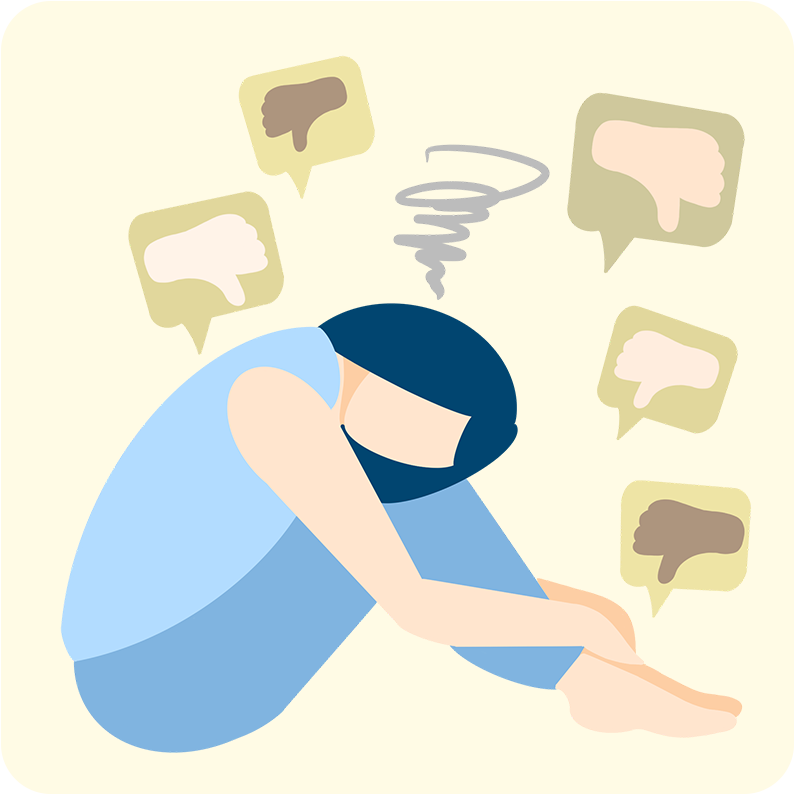
These feelings of anxiety may stem from students’ negative thoughts about open examinations and results. For example, students may catastrophize their exam results, worrying that they will not be able to get into the university if they fail to achieve the expected results, and their future will be ruined. Or they may keep thinking about the situation on the day of the HKDSE, feeling that they did not do well in the exam, blaming themselves for not performing well, and worrying that they will lose their qualifications to enter their favorite subjects. Some students may be unclear about their interests and skills, feel struggle to plan for their future paths, and are worried about unable to find a course and career that suits them. Our body will also appear differently under various anxious emotions. Symptoms include heart palpitations, difficult in breathing, tension headaches, frequent urination, stomach pain, abdominal pain, and insomnia. Long-term anxiety may worsen into anxiety disorders and depression.

It is not easy to coexist with anxiety. Students may feel highly anxious before results are released. So, what can we do to relieve these emotions? Students can refer to the following tips to deal with various worries and anxiety before the results are released:

1. Write down a plan in advance
Before the results are released, students should plan for further study pathways as early as possible and collect relevant information. Students can simulate various results and release situations in advance, such as scores higher or lower than expected, and then record corresponding options for further education and employment. When you have clear information and plans in hand, you can be mentally prepared to deal with it even if your results are not as expected, thus you can better manage the feeling of anxiety.

2. Take care of yourself
When you feel anxious, remind yourself that you have already planned everything. No matter how worry you are, it will not help. Therefore, students should arrange their schedule for adequate sleep and a proper diet instead of worrying. You can also focus on activities that you enjoy and temporarily stay away from anxiety to make yourself feel more comfortable.

3. Talk to someone you trust
Sometimes, when people express their worries to others, their anxiety can be relieved. Students can talk to trusted family members, friends or professionals about their stress and worries before the results are released, and also listen to the experience and opinions from other people.

DSE is one of the milestones in our lives, but it is not everything. Feeling anxious before the release of the results is a normal reaction. Having anxious feeling does not mean suffering from anxiety disorder. However, if the feeling of anxious has been present for a long time, is growing stronger, and seriously affects your daily life, remember to seek help from professionals around you.

Article: Should schools discuss the topic of suicide with students?

In recent years, the issue of suicide among teenagers has been drawing public attention. People are concerning whether or not school should prevent students from having suicidal thoughts by education. There are opinions that bring up the topic of suicide will cause negative impact on students. Thus, some people think that reporting suicide cases should be eliminated to prevent teenagers from imitating.

So, should schools discuss the topic of suicide with their students? In fact, it is unnecessary to focus too much on the topic of suicide. Instead, putting more focus on the mental health condition of students is more crucial.

There are many different reasons behind each suicide case, but we should let students know that no matter what the reasons are, suicide is never an option to solve their problems. Also, teachers should pay attention to their conversations with students, do not romanticise any suicidal behaviour.

Paying attention to the mental health condition of students is essential. Teachers should be aware of their students’ emotional needs and provide timely assistance. Such as providing some stress relief methods and information about the emotional support hotlines. Facing emotional needs at an early stage can reduce the accumulation of negative emotions and hence avoid some extreme thoughts.

Teachers should be alert if they find students with the following conditions:

– Intention of self-injury;
– Unexplained cuts on their body;
– Depressions;
– Loss of appetite;
– Insomnia;
– Other anxiety symptoms.

Academic performance is important. At the same time, teachers should also pay attention to the mental health condition of students, encourage students to seek help if they are suffering from emotional problems. Detecting and facing mental problems earlier, more tragedies can be avoided.

The greater pressure from the the greater expectations?

In Chinese society, parents always expect their children to become the “dragons and phoenixes” among all people of the same age . This represents the traditional family concept – parents wish for the success of their child. However, what is the definition of success? Being a student nowadays is often more stressful than in the past. After attending classes for a whole day, need to immediately go to the tutoring center for extra learning; After returning home, nervous parents immediately ask about their performance in extracurricular activities; In senior form, when the child still do not have any idea about the elective subjects they would like to take, parents may clamor to ask their kid to choose a subject that could link to a stable and successful career path.
Yet, will the expectations given by parents be different from their child’s actual preference, causing the expectations to become a kind of pressure or even a burden to the child? Facing all kinds of expectations from the surroundings, even superheroes need to take a breather! So how should we face parents’ high expectations and reduce our pressure? Here are some tips!

1. Learn to communicate with parents
The expectations of parents often come from their care and concern for their child. They hope for a better future for their child, thus might set certain standards subconsciously. With different social positions and point of views, parents may not fully understand what their child is thinking. Therefore, we can take the initiative to share our feelings with our parents, express our feelings of stress and anxiety. If you are worried about not being able to express your feelings accurately, you might as well express yourself in words or pictures. Through communicating with each other calmly, let your parents better understand your current situation and feelings, adjust their expectations appropriately.

2. Know yourself and plan your direction
Over-concerning parents’ thoughts and expectations may cause us to rely on their decisions to make our choices, and ignore our own abilities or interests. As a result, choosing an inappropriate path due to the expectations of others. As a student, you can try to objectively evaluate your capabilities, find your own strengths, then think about future direction. At the same time, it would be better to make the plan as detailed as you can. Make it concrete so that you can have clearer goals and work effectively. It allows your parents to see how your decisions are under careful consideration, and understand that you also have your own thoughts, so as to better relate to you.

3. Seek advice from others
Teachers, social workers, or classmates could be a great support when you share your concern with them. Try to listen to their pertinent opinions and suggestions, make a better balance between parents’ expectations and self-expectations. Remember you are not alone, let people around to share the burden together with you.

The differences between the expectations of parents and children are not terrible. The key lies in whether everyone can communicate and coordinate appropriately. Facing the expectations of others, it is important to adjust your mentality appropriately, find a suitable way to relax and express your emotions.

Nonviolent Communication

Nonviolent Communication

Translated from Column Sharing, Positive Energy, Recruit |Date: 01/06/2020|

In daily life, we often witness tense communication where words are spoken but have little effect. In fact, situations may worsen, and emotions and relationships deteriorate further. In this issue, I’d like to introduce “Nonviolent Communication” (NVC) as a way to enhance relationships with others and oneself.
Nonviolent Communication, abbreviated as NVC, is a communication model founded by American psychologist Marshall B. Rosenberg. Its purpose is to enhance interpersonal relationships, self-love, improve communication, reduce verbal violence, and alleviate bullying, ultimately easing self-inflicted pain. While some may find the term “violent communication” exaggerated and think they rarely use it, it actually refers to excessive criticism and judgment towards oneself or others, distorting communication and potentially causing harm. Misuse of violent communication often stems from unmet needs, leading to impulsive emotional outbursts and expressions falling into four categories:

Easily passing moral judgments, e.g., “You’re lazy all your life.”
Making comparisons, e.g., “Others finish the task in no time, and you’re still procrastinating.”
Avoiding responsibility, e.g., “The boss told me to do it; I can’t refuse.”
Imposing undue pressure, e.g., “You contribute little to household expenses, showing no filial piety.”

NVC involves four simple communication steps, emphasizing objectivity and honest acceptance of oneself and others. The four steps are to express your observations, feelings, needs, and requests.

Step One: Observation

When initiating communication, honestly state your observations of the other person’s behavior in a specific time and place, avoiding “judgments.” For example, instead of habitually saying, “You always miss the deadline!” you can say, “The last two reports you submitted were completed two days after the deadline.”

Step Two: Feeling

After expressing objective observations, honestly convey your own feelings, try to understand the other person’s feelings, and show empathy. For instance, “When we submit reports late to our superiors, I feel very anxious.” It’s essential to distinguish feelings as emotions, such as anxiety or sadness, whereas phrases like “I feel you’re wrong” may sound like opinions. Be cautious not to confuse the two!

Step Three: Need

Given that everyone has physiological, love, respect, and safety needs, after understanding each other’s feelings, try to articulate the “needs” behind those feelings, acknowledging mutual requirements. Instead of saying, “You’re so noisy; it annoys me!” which only expresses displeasure, NVC suggests saying, “When you speak loudly, I feel agitated. I need a quiet working environment.”

Step Four: Request

After observing, empathizing with feelings, and affirming needs, make clear requests. For example, express a desire for the other person to prioritize your needs, like submitting reports on time. Simultaneously, be open to fulfilling some of the other person’s needs, such as assisting in writing certain sections. It’s crucial to note that a request is not a command, and when expressing it, respect the other person’s choices.

Authored by Ms. Tsang Mei, Registered Social Worker, The Mental Health Association of Hong Kong