




CHILL LAB 超正常研究室 – 關注青少年的精神健康,讓參加者覺察及表達當下的情緒並調適自己

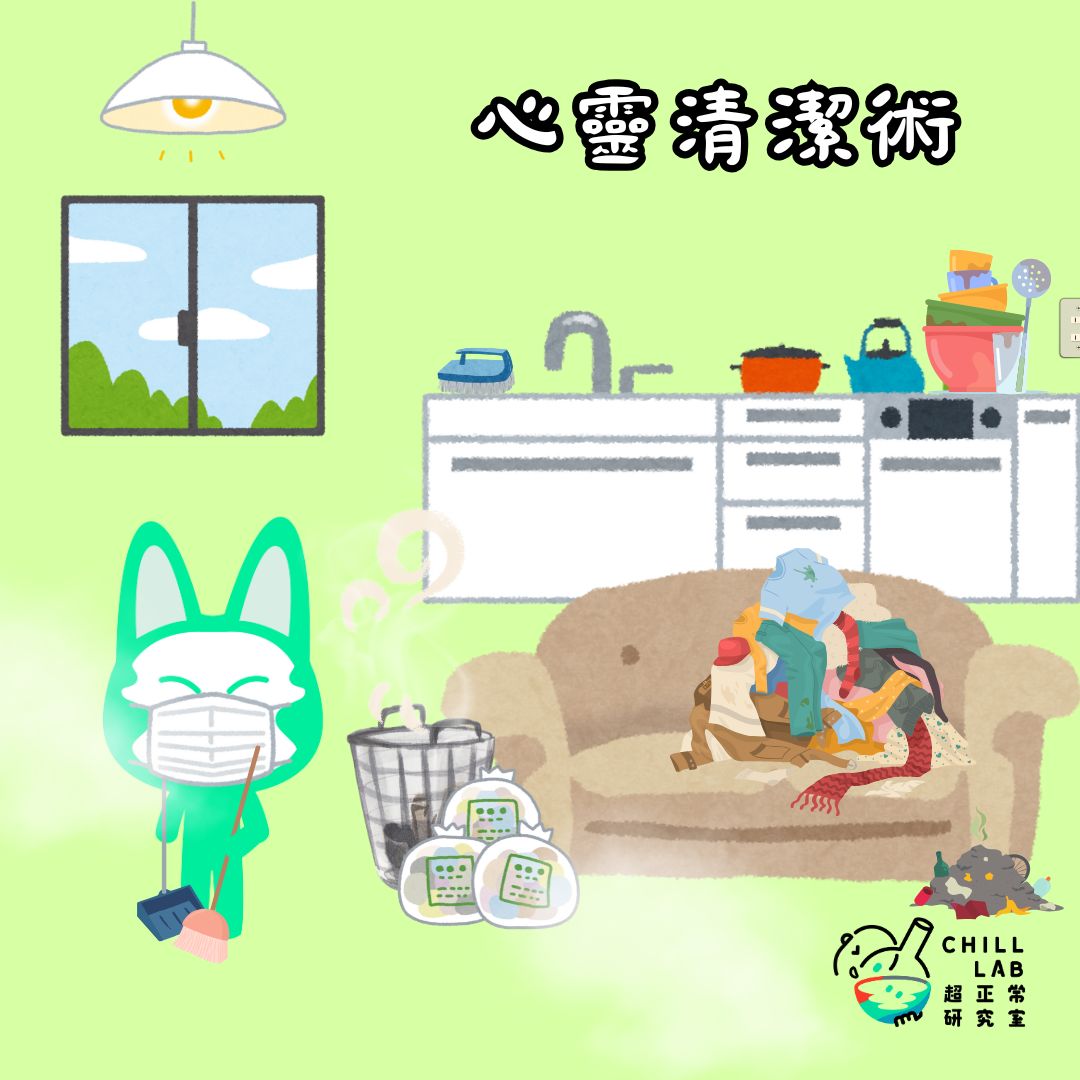
Mind Cleansing

Mind cleansing is a practice that helps people release inner burdens and reduce anxiety and stress. These techniques can promote mental health and improve quality of life. Here are some common mind cleansing techniques:


1. *Mindfulness Meditation*

Mindfulness meditation is a practice that focuses on the present moment and helps you better understand yourself by observing your thoughts and emotions. Spending a few minutes each day practicing mindfulness meditation can help reduce anxiety and boost mood.


2. *Emotional Diary*

Journaling can help you clear your mind and crystallize your emotions and thoughts. Regularly journaling about your feelings can help you clarify your thoughts and find solutions to your problems.


3. *Natural Remedies*

Spending time in nature, whether walking, hiking or just sitting in a park, can go a long way in reducing stress. The beauty of nature brings peace and relaxation, helping the mind feel refreshed.


4. *Deep breathing exercises*

Deep breathing can effectively relieve tension. Try counting to four on each inhale, hold your breath for four seconds, and slowly exhale for four seconds. Repeat a few times to allow yourself to relax.


5. *Gratitude Practice*

Listing three things you are grateful for each day can help you shift your mindset to focus on the positives in your life, thereby increasing mental clarity.


6. *Artistic Expression*

Whether it’s painting, music, or writing, artistic expression is a great way to release your emotions. This not only promotes creativity but also helps you clear your mind of impurities.


7. *Establish boundaries*

Learning to say “no” is an important part of clearing your mind. Setting healthy boundaries can help you reduce unnecessary stress and anxiety.


To conclude,

Mind cleansing is an important means of improving mental health. By practicing the above techniques, we can better manage our emotions and increase our inner peace and clarity. Choose the method that suits you and persevere, and you will reap unexpected results.

Outdoor Activities Help Relieve stress

The modern urban life in Hong Kong is full of stress, both children and adults face varying degrees of stress. When emotions come, have you ever thought ofhow to deal with them? Going outdoors is one of the effective ways to help us relieve stress.


Outdoor activities have many stress-relieving benefits, here are some of the main reasons:


*Healing brought by natural environment*: Contact with nature can make people feel relaxed and reduce anxiety and stress. Research shows that natural scenery can improve people’s mood and reduce psychological burden.

2. *Physical exercise*: Outdoor activities are often accompanied by physical exercise.

Exercise releases endorphins, chemicals that can elevate mood and reduce feelings of stress.


3. *Social interaction*: Outdoor activities with friends or family can help strengthen social connections, provide emotional support, and make people feel more secure.


4. *Fresh air and sunshine*: Outdoor activities allow people to get enough sunshine, which can help increase vitamin D levels and improve overall health and mood.


5. *Reduce screen time*: Staying away from electronic devices and focusing on nature and our surroundings can reduce our fatigue, further relieving stress.


Overall, spending time outdoors is an effective way to relieve stress, promote physical and mental health, and improve quality of life.

Nonviolent Communication

Nonviolent Communication

Translated from Column Sharing, Positive Energy, Recruit |Date: 01/06/2020|

In daily life, we often witness tense communication where words are spoken but have little effect. In fact, situations may worsen, and emotions and relationships deteriorate further. In this issue, I’d like to introduce “Nonviolent Communication” (NVC) as a way to enhance relationships with others and oneself.
Nonviolent Communication, abbreviated as NVC, is a communication model founded by American psychologist Marshall B. Rosenberg. Its purpose is to enhance interpersonal relationships, self-love, improve communication, reduce verbal violence, and alleviate bullying, ultimately easing self-inflicted pain. While some may find the term “violent communication” exaggerated and think they rarely use it, it actually refers to excessive criticism and judgment towards oneself or others, distorting communication and potentially causing harm. Misuse of violent communication often stems from unmet needs, leading to impulsive emotional outbursts and expressions falling into four categories:

Easily passing moral judgments, e.g., “You’re lazy all your life.”
Making comparisons, e.g., “Others finish the task in no time, and you’re still procrastinating.”
Avoiding responsibility, e.g., “The boss told me to do it; I can’t refuse.”
Imposing undue pressure, e.g., “You contribute little to household expenses, showing no filial piety.”

NVC involves four simple communication steps, emphasizing objectivity and honest acceptance of oneself and others. The four steps are to express your observations, feelings, needs, and requests.

Step One: Observation

When initiating communication, honestly state your observations of the other person’s behavior in a specific time and place, avoiding “judgments.” For example, instead of habitually saying, “You always miss the deadline!” you can say, “The last two reports you submitted were completed two days after the deadline.”

Step Two: Feeling

After expressing objective observations, honestly convey your own feelings, try to understand the other person’s feelings, and show empathy. For instance, “When we submit reports late to our superiors, I feel very anxious.” It’s essential to distinguish feelings as emotions, such as anxiety or sadness, whereas phrases like “I feel you’re wrong” may sound like opinions. Be cautious not to confuse the two!

Step Three: Need

Given that everyone has physiological, love, respect, and safety needs, after understanding each other’s feelings, try to articulate the “needs” behind those feelings, acknowledging mutual requirements. Instead of saying, “You’re so noisy; it annoys me!” which only expresses displeasure, NVC suggests saying, “When you speak loudly, I feel agitated. I need a quiet working environment.”

Step Four: Request

After observing, empathizing with feelings, and affirming needs, make clear requests. For example, express a desire for the other person to prioritize your needs, like submitting reports on time. Simultaneously, be open to fulfilling some of the other person’s needs, such as assisting in writing certain sections. It’s crucial to note that a request is not a command, and when expressing it, respect the other person’s choices.

Authored by Ms. Tsang Mei, Registered Social Worker, The Mental Health Association of Hong Kong

Ways to promote mental well-being

Ways to promote mental well-being:

  • Paying attention to physical health, ensuring adequate nutrition, maintaining regular exercise, getting sufficient rest, and eliminating unhealthy habits.
  • Maintaining a positive life perspective with concrete goals and aspirations.
  • Learning to accept both your own and others’ strengths and weaknesses, avoiding excessive criticism or jealousy.
  • Building strong interpersonal relationships, as well as mutual support, understanding, and listening among friends.
  • Communicating with family members to enhance mutual understanding.
  • Adapting to life’s challenges, cultivating interests, and preventing life from becoming dull.
  • Understanding the sources of stress first, and then seek solutions If life is filled with stress.

When you notice issues with your own or your family’s mental well-being, seek assistance from social workers, counselors, clinical psychologists, or psychiatrists.

Source: https://www.mhahk.org.hk/index.php/health/