CHILL LAB 超正常研究室 – 關注青少年的精神健康,讓參加者覺察及表達當下的情緒並調適自己

Easily Handle the First Semester Exams

Time flies, the first exam is coming, many students may feel anxious and nervous.

However, with early preparation, we can face the challenge easily and show our abilities.

So how can we prepare in advance?

1. Create a Study Plan

Prepare a study plan in advance by breaking down the exam content into different small units, setting specific study times for each, such as focusing on one or two topics each day. Setting smaller goals and regularly reviewing your progress can help reduce the pressure as the exam date approaches.

2. Use Different Learning Methods to Enhance Effectiveness

Besides reading, try summarizing key points using charts or other visual aids to make complex content easier to remember. Additionally, studying and discussing with classmates to share insights can be very beneficial.

3. Psychological Adjustment Before the Exam

Proper exercise and sufficient sleep are crucial as they help relieve study pressure and improve memory. Try to maintain a regular routine and avoid staying up late to catch up on studies.

4. Arrive Early at the Exam Venue

Arriving early at the exam venue allows you to adapt to the environment, which can help reduce anxiety.

5. Reasonably Allocate Answering Time

If you encounter a question you don’t understand, skip it initially and plan your answering time for different types of questions.

Believe in yourself and relax, let the exam be not a source of stress, but an opportunity to show your talents!

Why do I procrastinate?

People from Hong Kong are often described as very quick, but there are certainly some things they tend to procrastinate on as well. Procrastination is a common behavior that negatively impacts work, study, and life. Understanding its reasons can help in formulating countermeasures. Here are some common reasons and their effects:

1. Lack of Motivation: A lack of interest and meaning in a task can lead to avoidance.
2. Distractions and Temptations: Temptations like social media can distract attention and affect focus.
3. Poor Time Management: A lack of planning can lead to a backlog of tasks and increased pressure.
4. Self-Doubt and Anxiety: Doubting one’s abilities can create a feeling of being lost.
5. Lack of Planning: An unordered environment makes it easy to feel lost, leading to procrastination.

Once the reasons are identified, here are some strategies to consider:

– Set Small Goals: Break down large tasks into smaller goals to reduce pressure and encourage action.
– Create a Suitable Work Environment: Minimize distractions, close unnecessary applications, and enhance focus.
-Use Time Management Tools: To-do lists and scheduling tools can help in planning time effectively.
– Maintain Self-Motivation: Share your goals with others or work together with someone to enhance accountability.
– Change Your Mindset: Accept imperfection and focus on progress rather than perfection.

Understanding and addressing procrastination not only boosts productivity but also improves mental health, helping enhance the quality of our lives and work.

Choose-a-day insomnia

“Let me stay up late tonight and catch up on sleep tomorrow.” Do you think the same way? Many teenagers know that staying up late is unhealthy, but they still scroll on their phones, play games, or rush to complete homework late at night, thinking they can make up for lost sleep later. However, studies show sleep debt is hard to repay, and the cost of this “choose-a-day insomnia” is higher than you think.

Lack of sleep has a direct impact on emotional health. While you sleep, the brain organizes memories, clears waste, and balances neurotransmitters. When sleep is cut short, the amygdala—the part that helps manage emotions—can overreact, making you more irritable and anxious. Over time, this can raise the risk of mental health problems.

Building good sleep habits is the key to nightly care for your brain. Try to set a regular bedtime and wake-up time, even on weekends. Stay off electronic devices for at least an hour before bed to avoid blocking melatonin with blue light. Keep your room calm, dark, and quiet. Also, avoid caffeine or intense exercise close to bedtime.

Quality sleep is not a waste of time—it recharges you for the next day. With enough rest, you’ll learn more efficiently, feel calmer, and stay healthier. Tonight, turn off the lights, put down your phone, and give your brain a whole night of real rest—this is the best choice for yourself.

Self-Image or Self-Management?

“Self-image” is about how we see and evaluate ourselves. Have you ever considered that our “self-image” is closely linked to how we “manage” our outward presentation – that is, your “self-management”?

“Self-image” is internal; it’s your understanding and feeling of your own worth. “Self-management” on the other hand, involves external actions – the concrete choices we make to shape and express this “self.”

Many people narrowly interpret “self-management” as dieting and pursuing a perfect appearance. However, truly healthy “management” means taking comprehensive care of yourself:

• Nourishing your Body: Eating a balanced diet to give your body sufficient energy, rather than torturing it with extreme methods.

• Nourishing your Mind: Allowing yourself to feel emotions, learning to cope with stress, and giving your inner self adequate rest.

• Managing your Life: Developing interests, building genuine relationships, and finding meaning and satisfaction in life.

When we obsess over external standards and force ourselves to maintain a “perfect” image, our internal self-image often becomes more fragile and negative.

A truly solid self-image stems from a form of “self-management” that is kind to oneself: accepting your imperfections, appreciating your uniqueness, and taking action to nurture your body and mind. Remember, you are not a product that needs fixing, but a life worthy of careful stewardship.

Instead of fixating on an image you feel isn’t good enough, why not start today by rethinking how you nourish and manage yourself?

Stress Responses in Conflict

Have you ever felt intense pressure, even experiencing a racing heartbeat or difficulty breathing? 😖

In fact, stress is a natural response of humans in conflict situations, typically involving physiological and psychological changes. 😉

On a physiological level, common reactions include a quickened heartbeat, rapid breathing, or muscle tension. Prolonged stress responses can negatively impact the body, leading to issues such as problems with the immune system.

On a psychological level, we often feel helpless or despairing when facing conflict, which can lead to anxiety, depression, and fear.

Everyone reacts differently to stress, and stress management techniques are very important. Here are some tips. 😉👇

Pause and Reflect 😉
Take deep breaths to calm yourself down and relax, allowing you space to organize your thoughts and find solutions to the problem.

Communicate Rationally 😉
Try to understand the other person’s feelings by thinking from their perspective, which helps reduce misunderstandings. Even if you disagree with their viewpoint, try to express understanding and respect for their feelings.

Seek Professional Support 😉
If you feel the conflict is severe or the stress is overwhelming, consider seeking professional help, such as a social worker or counselor.

By understanding the stress responses in conflict, and finding the right stress management methods for yourself, you can better handle the stress that conflict brings, benefiting your mental health and improving interpersonal relationships.

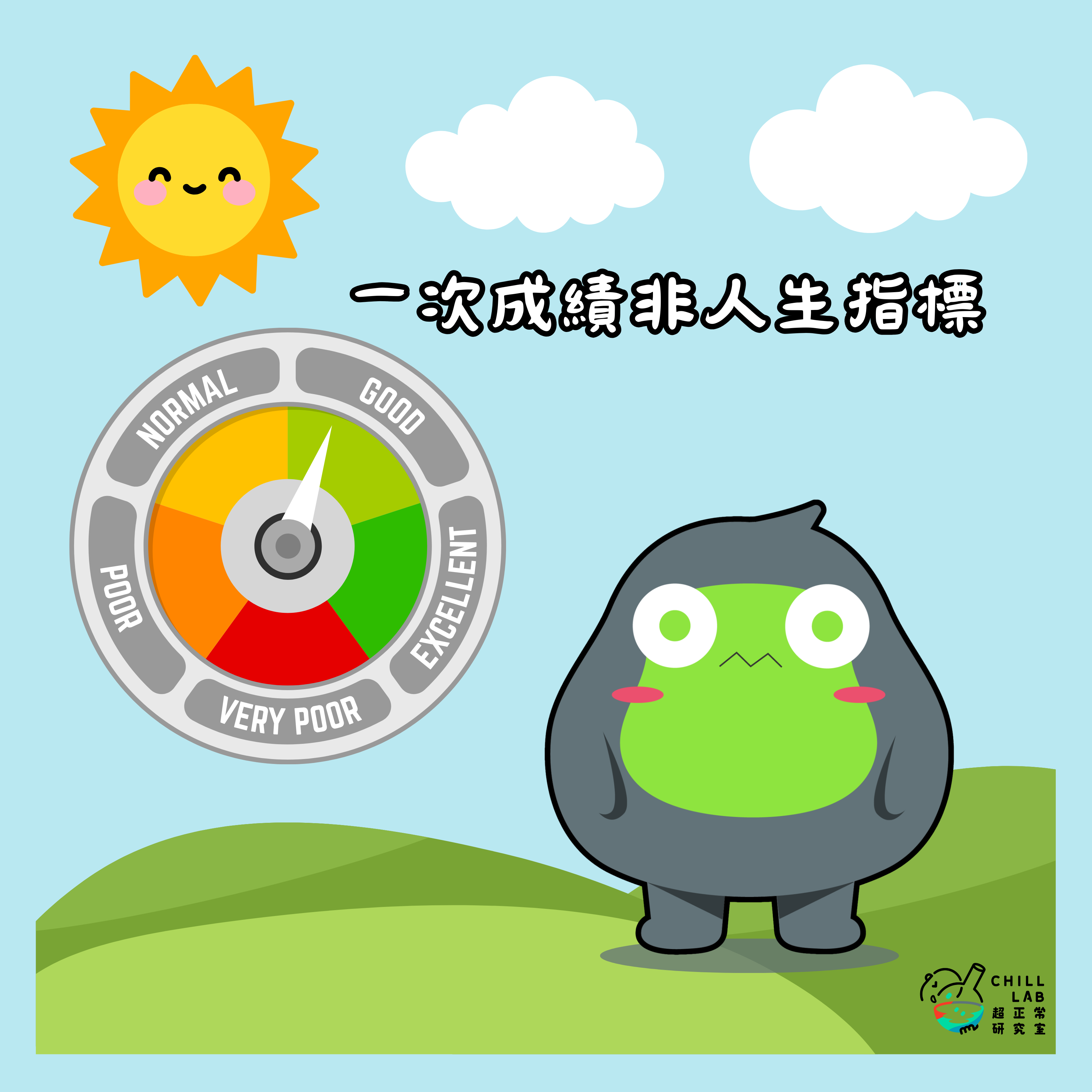
One-time academic result is not a life indicator

It is the season of releasing DSE results again. I believe that some students are happy and excited about their satisfied result, while some others are disappointed as their grades are lower than they expected.

Having a good result is one step closer to get into their preferred university, which is certainly should be happy and proud of, but students with unsatisfied result should not be overwhelmed. There is not only one way out in our life, and academic results do not mean everything of our future achievement.

Exams scores often depend on many factors. Besides the level of difficulty, there are also stresses, environments, health condition…etc. All these factors are significant to an exam performance. Therefore, we should not judge one’s success or failure just based on the test result, or to make comparisons with others.

Even though some students are not able to get into their preferred university, there are still many pathways for further study, such as self-financing courses, sub-degree programme and higher diploma courses. Furthermore, students can also enroll into some courses that are related to the career they are interested in, so they can learn some relevant knowledge and skills, which would be useful for their future prospects.

Everybody is unique. We have our own strengths and talents, as well as our own goals, interests and dreams. The definition of success is different for everyone. Everyone has their own pace, we don’t have to deliberately catch up or cater to others, it is more important to find out the field that suits you. There is no best development direction, but only the path that suits you best.

During our campus life, we also learn how to establish the sense of responsibility, develop a good character, and learn how to get along with others. These precious values cannot just be reflected by a single test score.

Examination or academic performances will soon become a small part of our life. It cannot be used to indicate our achievement, nor to represent the value of our existence. Students should figure out your own interests and goals, then work hard to add value to yourself, believe in your own potential, respond to challenges with a positive attitude, and trust that you can succeed on your own path.

Reference:

https://www.stheadline.com/parenting/3254521/%E5%85%92%E7%AB%A5%E5%BF%83%E7%90%86DSE%E6%94%BE%E6%A6%9C%E5%89%8D%E5%BE%8C%E5%AE%B6%E9%95%B76%E5%A4%A7%E6%BA%96%E5%82%99-%E5%BF%83%E7%90%86%E5%B0%88%E5%AE%B6%E6%95%99%E8%B7%AF%E4%B8%80%E6%AC%A1%E6%88%90%E7%B8%BE%E9%9D%9E%E4%BA%BA%E7%94%9F%E6%8C%87%E6%A8%99

學業成績只是裝備往後人生的其中一件事

https://www.tkww.hk/a/202307/19/AP64b7714ee4b068c215c7b5a7.html

https://www.student.hk/commonDetial?breadCrumbName=%E7%86%B1%E8%A9%B1&rid=WS61d7b2159ab4b791751d74df


Article: Should schools discuss the topic of suicide with students?

In recent years, the issue of suicide among teenagers has been drawing public attention. People are concerning whether or not school should prevent students from having suicidal thoughts by education. There are opinions that bring up the topic of suicide will cause negative impact on students. Thus, some people think that reporting suicide cases should be eliminated to prevent teenagers from imitating.

So, should schools discuss the topic of suicide with their students? In fact, it is unnecessary to focus too much on the topic of suicide. Instead, putting more focus on the mental health condition of students is more crucial.

There are many different reasons behind each suicide case, but we should let students know that no matter what the reasons are, suicide is never an option to solve their problems. Also, teachers should pay attention to their conversations with students, do not romanticise any suicidal behaviour.

Paying attention to the mental health condition of students is essential. Teachers should be aware of their students’ emotional needs and provide timely assistance. Such as providing some stress relief methods and information about the emotional support hotlines. Facing emotional needs at an early stage can reduce the accumulation of negative emotions and hence avoid some extreme thoughts.

Teachers should be alert if they find students with the following conditions:

– Intention of self-injury;
– Unexplained cuts on their body;
– Depressions;
– Loss of appetite;
– Insomnia;
– Other anxiety symptoms.

Academic performance is important. At the same time, teachers should also pay attention to the mental health condition of students, encourage students to seek help if they are suffering from emotional problems. Detecting and facing mental problems earlier, more tragedies can be avoided.

The greater pressure from the the greater expectations?

In Chinese society, parents always expect their children to become the “dragons and phoenixes” among all people of the same age . This represents the traditional family concept – parents wish for the success of their child. However, what is the definition of success? Being a student nowadays is often more stressful than in the past. After attending classes for a whole day, need to immediately go to the tutoring center for extra learning; After returning home, nervous parents immediately ask about their performance in extracurricular activities; In senior form, when the child still do not have any idea about the elective subjects they would like to take, parents may clamor to ask their kid to choose a subject that could link to a stable and successful career path.
Yet, will the expectations given by parents be different from their child’s actual preference, causing the expectations to become a kind of pressure or even a burden to the child? Facing all kinds of expectations from the surroundings, even superheroes need to take a breather! So how should we face parents’ high expectations and reduce our pressure? Here are some tips!

1. Learn to communicate with parents
The expectations of parents often come from their care and concern for their child. They hope for a better future for their child, thus might set certain standards subconsciously. With different social positions and point of views, parents may not fully understand what their child is thinking. Therefore, we can take the initiative to share our feelings with our parents, express our feelings of stress and anxiety. If you are worried about not being able to express your feelings accurately, you might as well express yourself in words or pictures. Through communicating with each other calmly, let your parents better understand your current situation and feelings, adjust their expectations appropriately.

2. Know yourself and plan your direction
Over-concerning parents’ thoughts and expectations may cause us to rely on their decisions to make our choices, and ignore our own abilities or interests. As a result, choosing an inappropriate path due to the expectations of others. As a student, you can try to objectively evaluate your capabilities, find your own strengths, then think about future direction. At the same time, it would be better to make the plan as detailed as you can. Make it concrete so that you can have clearer goals and work effectively. It allows your parents to see how your decisions are under careful consideration, and understand that you also have your own thoughts, so as to better relate to you.

3. Seek advice from others
Teachers, social workers, or classmates could be a great support when you share your concern with them. Try to listen to their pertinent opinions and suggestions, make a better balance between parents’ expectations and self-expectations. Remember you are not alone, let people around to share the burden together with you.

The differences between the expectations of parents and children are not terrible. The key lies in whether everyone can communicate and coordinate appropriately. Facing the expectations of others, it is important to adjust your mentality appropriately, find a suitable way to relax and express your emotions.