




CHILL LAB 超正常研究室 – 關注青少年的精神健康,讓參加者覺察及表達當下的情緒並調適自己

Lunar New Year: Achieve 100% of Your Wishes!

Lunar New Year is the perfect time to replan and envision the future. Many people set new goals during this period, hoping to achieve greater growth and breakthroughs in the coming year. However, many goals are difficult to accomplish due to vagueness or unrealistic expectations, leading to a cycle of “planning but not completing, then starting again.” This mainly stems from a lack of specific action plans and ongoing tracking mechanisms.


To improve the chances of success, we can apply the SMART goal-setting method. This approach emphasizes:

– Specific: Clearly define the goal.

– Measurable: Establish quantifiable standards to track progress.

– Attainable: Set challenges that match your abilities.

– Relevant: Ensure the goal aligns with your core values.

– Time-bound: Set a clear deadline.


Additionally, breaking down large goals into small steps and regularly reviewing progress can help maintain motivation and direction. Systematic goal setting can guide us step by step toward success, turning our New Year’s wishes for 2026 into real achievements. Let’s use these strategies to embrace a brighter future!

Every Emotion Has Its Own Unique Meaning

So often we label certain emotions as “bad” — anger feels scary, sadness feels weak, fear feels embarrassing. But the truth is: no emotion is your enemy. Each one acts like an inner signal light, gently (or sometimes urgently) telling you what deserves your attention and what action might be needed. Joy, sadness, surprise, fear, disgust, anger — these six basic emotions each carry their own special meaning and value.


  • Joy: It whispers: “This is good for me.” It motivates you to repeat the experience and draws you closer to others. Joy is life’s fuel — it encourages you to keep going.
  • Sadness:  It says: “I’ve lost something important — please stay with me.” Sadness isn’t weakness; it’s the slow, necessary process of digesting loss, reflecting on life, and growing deeper. It also invites people who truly care about you to come closer.
  • Surprise:  That brief “Whoa!” moment in one second. It forces your brain to refocus instantly — like hitting the emergency brake. Surprise helps you quickly assess: Is this safe or dangerous? It keeps you alert and adaptable.
  • Fear:  The most direct survival signal: “Danger here — protect yourself now.” It speeds up your heart, prepares your muscles to run or fight. Fear isn’t cowardice; it’s your brain working hard to keep you alive.
  • Disgust:  It acts like a poison shield: “This thing / behavior / person is harmful — stay away.” Disgust protects your body (spoiled food, toxins) and your values (dishonesty, disrespect). It helps you maintain boundaries and preserve your dignity.
  • Anger:  When boundaries are crossed or injustice happens, anger supplies energy and declares: “This is not acceptable — something needs to change.” Healthy anger empowers you to stand up, demand fairness, and protect yourself or others. It is a force for change, not just destruction.


There are no “bad” emotions — only misunderstood ones. Every emotion is here to serve you. They aren’t trying to control you; they’re trying to help you adapt and survive in the world.

When you learn to listen to their message instead of rushing to suppress or deny them, you gain much greater mastery over your life.

A gentle reminder: 

The next time a strong emotion arrives, try asking:  

👉 What is this feeling trying to tell me?  

👉 What do I need most right now? (Safety, comfort, a boundary, action?)

The answer might be surprisingly simple — but it can shift you from being *hijacked by emotion* to becoming *friends with your emotions*.

To accept all of your feelings is to accept the whole of who you are.

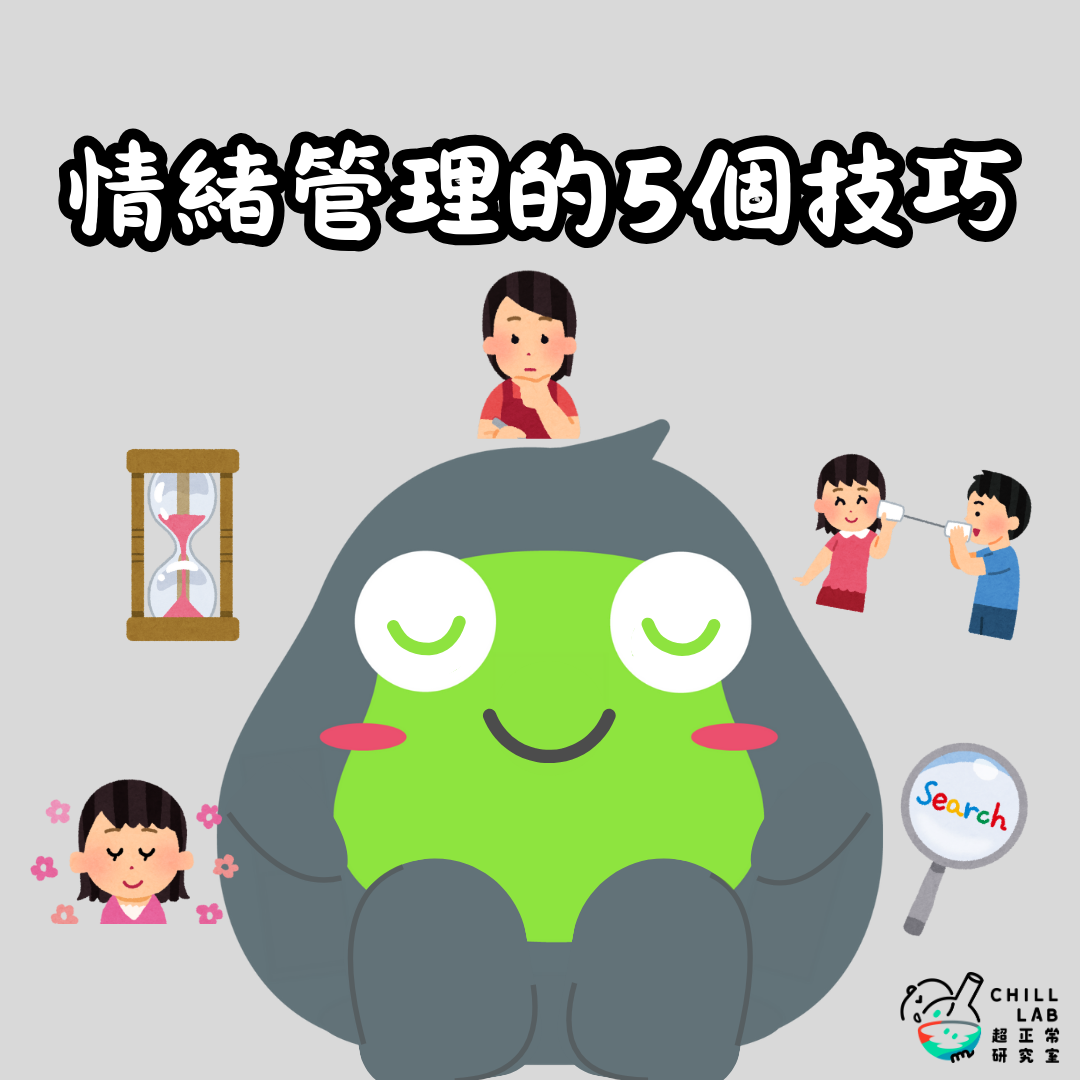
5 Techniques for Emotional Management

In the face of life’s pressures and interpersonal interactions, emotional fluctuations are inevitable. Rather than suppressing or denying them, practicing emotional management can help us build a healthier relationship with our inner feelings. Here are five core techniques that help stabilize our inner world.

1. Acknowledge Your Emotions
There is no right or wrong with emotions. Honestly recognizing and allowing them to exist is the foundation of self-understanding. For example, when we can say, “I feel anxious and unsettled,” we have already turned vague pressure into a clear signal.

2. Avoid Long-Term Avoidance
Escaping emotions through busyness or neglect only allows feelings to accumulate and erupt more intensely later. Taking a few moments each day to quietly tune into the present is like regularly decluttering your mental space.

3. See the Message Behind the Emotion
Every emotion carries a need. For instance, anger may indicate that a boundary has been crossed, while loneliness often reflects a desire for connection. In such moments, gently ask yourself, “What is this feeling trying to tell me?” This allows the message behind the emotion to be seen.

4. Actively Resolve Emotional Difficulties
When emotions become overwhelming, you can ease them with specific methods such as deep breathing, temporarily stepping back from the situation, writing, or calming activities. This is not about eliminating feelings but about creating a safe space for reason and emotion to engage in dialogue.

5. Learn to Express Feelings Honestly
Use “I-messages” to communicate: “When… happens, I feel…, and I hope…” Appropriate expression can reduce misunderstandings, help others understand your needs, and build genuine relationships.

Emotional management is not about suppressing fluctuations but about learning to coexist with emotions. Through practice, we can steady ourselves amidst life’s storms and live with greater composure.

Everyone Is a Unique Individual

People often say, “Don’t compare yourself to others.” But for teenagers, that advice can feel empty. At school, in daily life, on social media, and even at home, comparisons happen all the time. It’s easy to start doubting yourself and thinking you’re “not good enough.”

Remember: You don’t need to be as good as someone else. You just need to do what you are good at.

  • Some people find direction through studying hard.
  • Some discover self‑worth through sports or helping others.
  • Some express themselves through music.
  • Some explore new places and experiences to find their true interests and life goals.

Every path deserves respect.


Walk Your Own Road, Find Your Own Formula

There isn’t one “correct” answer in life. The road you take is yours alone.

The world doesn’t need a crowd of “copies.” It needs diversity. Your differences are what make the world more complete.

So be brave enough to try. Even if you stumble, you’re still moving forward on your road.


A Reminder for Teens

When you feel like you’re “not as good as others,” ask yourself:

👉 “What are my unique strengths, talents, or interests?”

👉 “How can these help the people around me and myself?”

The answers might seem small, but they’ll help you see clearly: you’re not meant to be someone else’s shadow. You’re meant to shine with your own light.

8 Ways to Relieve Exam Stress in the First Semester

Exams are often one of the biggest challenges students face. During preparation, many experience anxiety, stress, or even physical discomfort such as insomnia or stomach issues—commonly known as “pre‑exam syndrome.” These reactions don’t mean you’re incapable; rather, they show how much you care about the exam. By adjusting your mindset and physical state, you can turn stress into motivation. Below are eight strategies to help you maintain balance before exams.

Eight Ways to Reduce Exam Stress

Move regularly: Stand up and walk or stretch every hour to recharge your brain and avoid fatigue.

Relax your eyes: Gently press around the eye sockets to ease eye strain.

Stimulate Baihui point: Lightly tap the top of your head with your middle finger joint to release tension.

Press the Hegu point: Alternate pressing the spot between thumb and index finger to stay alert and focused.

Keep an anxiety journal: Write down when, where, and why you feel anxious to clarify and release emotions.

Use music for relaxation: Listening to music can stabilize brain waves and help restore emotional balance.

Practice deep breathing: Abdominal breathing slows heart rate, stabilizes blood pressure, and relaxes muscles.

Rest before bedtime: Stop studying 30 minutes before sleep to give your brain “shutdown time” and reduce insomnia.

Psychological Reminder

Exam anxiety is a common stress response, and moderate tension can enhance performance. However, if symptoms seriously affect daily life—such as persistent insomnia, digestive problems, or emotional breakdowns—it’s best to seek professional medical support. Maintaining both mental and physical health will help you go further on your learning journey.

Is Rest a Luxury?


We often treat “busyness” as proof of our worth, as if a fuller schedule and quicker responses make us more valuable. Consequently, rest is labeled as “laziness” or “lack of ambition,” becoming a luxury that seems hard to afford.

However, rest is not a reward for hard work; it is a necessary foundation for maintaining our mental and physical performance. The brain is like a battery—it needs recharging to sustain focus and creativity. The body is like a muscle—it requires rest to repair and grow. Chronic lack of rest not only leads to scattered attention, poor judgment, and emotional volatility but also quietly depletes our mental and physical reserves, even while we appear highly productive.

Why is it so hard for us to stop? Often, it stems from certain mindsets: the fear of falling behind, measuring ourselves against others’ pace; harsh self-expectations, tying our self-worth tightly to output; or being in a culture that glorifies overwork, mistakenly equating long hours with dedication and success.

To break this cycle, we can take proactive steps:

1. Schedule rest into your calendar as a non-negotiable appointment.
2. Set clear boundaries by muting non-essential notifications and minimizing distractions.
3. Practice “micro-breaks”: after 60–90 minutes of focused work, take 5–10 minutes to walk, stretch, or breathe deeply.
4. Embrace “good enough” over perfection, reserving your energy for what truly matters.
5. Listen to your body’s signals—persistent insomnia, headaches, or irritability are warnings that it’s time to pause.

True luxury is not about never stopping, but about having the ability to honestly say to yourself and others, “I need to rest now.” When rest becomes a regular part of life, you will not only regain efficiency and creativity but also welcome back a more balanced and fulfilling existence.

Inclusivity is acceptance, not sacrifice

In diverse society, we always talk about inclusivity. Inclusivity is not only about understanding others but also about maintaining one’s own identity in interpersonal relationships. However, inclusivity means acceptance and does not equate to sacrifice. Here are several key points:

  1. Definition of Inclusivity:

– Inclusivity means accepting the differences in others without forcing oneself or others to change.

  1. Naturalness of Differences:

– We will encounter people who are different from us and this is a normal phenomenon.

  1. Encouraging Acceptance:

– Actively accept and respect the differences in everyone, regardless of their background, interests, or values.

  1. The Golden Rule:

– What we dislike should not be imposed on others.

  1. Separating Emotions from Actions:

– We can choose not to like certain people or things, but we should not harm others.

  1. Emotional Release Methods:

– Finding appropriate ways to express our emotions without harming others.

  1. Helping Each Other:

– Create a positive atmosphere together with peers and exert a positive influence.

  1. Importance of Respect:

– Emphasize the importance of respecting others’ differences, interact confidently in a diverse environment.

Through these key points, we can cultivate a sense of inclusivity, encouraging people to engage with others with understanding.

What exactly constitutes inner peace?

What is the definition of peace? For many people, the initial impression would be tranquility in the external environment, but our attitude is equally important. According to psychological research, one’s sense of happiness is not solely determined by the environment but is influenced by internal thought patterns. Accepting the present reality can reduce resistance to difficulties, making it easier for us to face challenges. For instance, when faced with a busy work schedule, viewing it as an opportunity to enhance one’s skills can make the stress more manageable.


When attempting to change one’s thought patterns, practicing gratitude is a crucial first step. Psychologists have found that gratitude significantly boosts an individual’s sense of happiness. Even in the face of hardships, being grateful for small things in life, such as friendships and natural landscapes, can effectively reduce anxiety and bring satisfaction. This not only helps us reassess the value of life but also encourages us to cherish the present.


Focusing on the present moment is also a vital method to attain inner peace. In mindfulness theory, it is advocated to concentrate on the current experience and accept all feelings non-judgmentally. This can reduce regrets about the past and anxieties about the future, enhancing life satisfaction. For example, savoring the aroma of a cup of tea can help us reconnect with the beauty of life.


  1. Peace comes from within: Inner tranquility does not rely on external conditions but is determined by our attitude. A positive and accepting mindset makes life more relaxed and comfortable.


  1. Change in attitude: When facing difficulties, changing how we perceive reality is more effective than complaining. Viewing problems from the perspective of enhancing skills in a busy job can reduce inner unrest.


  1. Practice gratitude: Finding things to be grateful for, such as friendships and personal growth, can reduce anxiety and bring happiness.


  1. Focus on the present: Letting go of anxieties about the past and future, and enjoying the small beauties of each moment, can help find the source of happiness in the ordinary.


In conclusion, inner peace stems from acceptance, gratitude, and focusing on the present. By changing our thought patterns, we can find balance and happiness in any situation.

How to Cope with Mounting Stress?

Stress in life is unavoidable and can feel like a mountain pressing on our hearts. However, learning how to respond effectively is key to maintaining mental health. Here are some methods to help you find an outlet when stress feels overwhelming:

1. Recognize the Sources of Stress: Try to calm down and understand where the stress is coming from. Journaling or self-reflection can help identify whether the pressure stems from work, relationships, or internal expectations.

2. Use Coping Strategies:

– Problem-Focused: Proactively seek solutions, such as communicating with your boss or colleagues, managing your time effectively, or seeking support. Directly addressing the problem can reduce stress.

– Emotion-Focused: Adjust your emotional responses by practicing deep breathing, meditation, or sharing your feelings with friends. These activities help you relax and lower anxiety.

3. Set Boundaries: Limit information overload by turning off your phone and giving yourself some alone time. Engage in activities you enjoy to allow your mind to rest and recharge.

4. Seek Support: Talk to trusted friends or family members about how you feel, or seek help from a professional counselor. Gaining understanding and advice from others can help you better cope with stress.

5. Accept the Presence of Stress: Do not resist stress; learn to accept it as part of life. Viewing stress with a positive mindset allows you to grow through challenges.

By applying these methods, we can find balance amidst overwhelming stress, living more effortlessly and with greater strength.

Easily Handle the First Semester Exams

Time flies, the first exam is coming, many students may feel anxious and nervous.

However, with early preparation, we can face the challenge easily and show our abilities.

So how can we prepare in advance?

1. Create a Study Plan

Prepare a study plan in advance by breaking down the exam content into different small units, setting specific study times for each, such as focusing on one or two topics each day. Setting smaller goals and regularly reviewing your progress can help reduce the pressure as the exam date approaches.

2. Use Different Learning Methods to Enhance Effectiveness

Besides reading, try summarizing key points using charts or other visual aids to make complex content easier to remember. Additionally, studying and discussing with classmates to share insights can be very beneficial.

3. Psychological Adjustment Before the Exam

Proper exercise and sufficient sleep are crucial as they help relieve study pressure and improve memory. Try to maintain a regular routine and avoid staying up late to catch up on studies.

4. Arrive Early at the Exam Venue

Arriving early at the exam venue allows you to adapt to the environment, which can help reduce anxiety.

5. Reasonably Allocate Answering Time

If you encounter a question you don’t understand, skip it initially and plan your answering time for different types of questions.

Believe in yourself and relax, let the exam be not a source of stress, but an opportunity to show your talents!