CHILL LAB 超正常研究室 – 關注青少年的精神健康,讓參加者覺察及表達當下的情緒並調適自己

Appropriate Anxiety Can Help You Perform at Your Best

We often see anxiety as an enemy, but the right amount of anxiety is like a car’s accelerator: too little, and you won’t move forward; too much, and you may lose control; just the right amount can push your focus and energy to a peak. This can be understood through the Inverted-U Hypothesis — performance is best when your level of arousal is moderate.

How can you tell if you are at the “just right” level? With moderate anxiety, your heart beats a little faster, your mind feels clear, and you feel ready to act. With too much anxiety, you may breathe rapidly, feel stomach discomfort, or repeatedly check and avoid things. With too little anxiety, you feel unmotivated, easily distracted, and procrastinate.

To adjust anxiety to the ideal level, try these three steps:

First, prepare thoroughly. Break big tasks into small steps, set a time and standard for each step, and focus on what you can control.

Second, stabilize your body and mind. Practice square breathing (inhaling, holding, exhaling, and holding again for equal counts of 4 seconds), do short stretches, imagine success, and create a fixed “pre-performance routine.”

Third, use kind self-talk. Change “I must not fail” into “I am getting there step by step.”

Besides, before an exam, interview, or speech, rate your anxiety on a scale of 1 to 10, and aim to keep it between 4 and 6. If it goes above 7, pause, take deep breaths, walk around or drink some water, then return to your main task. Also, remember the basics: regular sleep, moderate exercise, and a balanced diet. If anxiety remains high and affects your sleep, appetite, or mood, please seek professional help.

Learning to manage anxiety helps you perform at your best.

3 Key Ways to Face the DSE Together with Your Child

For many families, the DSE is not just a public examination, but a period that requires constant adjustment, patience, and learning together. While academic results matter, what children often need most during the preparation stage is not more drills or tutoring, but understanding and appropriate support from their parents.

Key One: Care for Emotions Before Focusing on Results

Many parents respond to exam results by immediately analyzing weaknesses, overlooking the pressure their child may be carrying. Prolonged anxiety can easily undermine concentration and confidence. Some students choose silence; some avoid the topic altogether; others begin to doubt themselves.

At moments like these, a caring question is far more powerful than saying, “You need to try harder.” When parents are willing to pause and ask, “What has been the most difficult part for you recently?”, children feel understood rather than judged—and only then are they able to regroup and move forward.

Key Two: Focus on Learning Strategies, Not Only Weaknesses

When preparing for the DSE, there is no single learning method that suits every student. Some perform best through consistency, others gain confidence through their elective subjects, while some excel at exam techniques and strategy-building.

Rather than constantly magnifying shortcomings, parents can support their children in identifying what truly works for them and turning strengths into advantages. Questions such as “Which methods are most effective for me?” or “Where should I focus my efforts?” help children develop ownership of their learning. Not every mistake needs immediate correction; sometimes, strengthening existing advantages is itself a form of risk management.

Key Three: Let the Results Belong to the Child, Keep Support with the Parents

The outcome of the DSE is ultimately a path the child must face on their own. What parents can offer is steady, flexible support throughout the process—without turning expectations into pressure.

This means not projecting unfulfilled ambitions onto their children, not viewing a single setback as total failure, and not dismissing emotional struggles as “immaturity.” When children know that home remains a safe place even if results fall short, they are more able to give their best—rather than pushing themselves simply to avoid disappointment.

The DSE Is Not the Finish Line, but a Shared Growth Experience

When families maintain open communication under pressure, see the child beyond grades, and walk side by side through uncertainty, the experience—regardless of the outcome—can become a lasting source of resilience for facing future challenges.


4 Questions to Help You Prepare for DSE

Self-discipline and planning are crucial for success in preparing for the DSE. To prepare more effectively, ask yourself these four questions daily to build good study habits.


  1. What are my goals for DSE?

First, clarify both short-term and long-term goals. For example, review what you’ve learned daily or complete a certain number of practice papers each week. Set long-term goals like achieving at least a Level 4 in all subjects to give yourself clear direction.


  1. Do I want to feel more relaxed during the DSE exam?

To be more relaxed in the exam, you need to prepare well during your study sessions. Practice different types of questions to understand their core principles. The more you practice, the less nervous you will feel. You can also use online platforms to help understand the underlying theories, making it easier to stay calm during the exam.


  1. What have I done today to prepare for DSE?

Every day, take concrete actions—solve questions, review difficult topics, or clarify doubts. Small consistent efforts will gradually improve your skills and confidence.


  1. Am I behind schedule?

Regularly reflect on your progress. If you find yourself falling behind, adjust your study plan and make good use of resources like online tutors to catch up. Focus on your immediate goals and take steady steps forward.


By constantly asking yourself these four questions, you can develop self-discipline, steadily move toward your goals, and ultimately perform at your best during the DSE exam.

4 DSE Stress-Busting Tips to Help You Ace the Diploma Exam with Ease

DSE is just around the corner! With post-pandemic pressure and heavy revision loads, many students are already feeling super anxious and losing sleep. Don’t let stress ruin your performance — try these 4 simple, practical tips to stay calm and tackle the exam in a relaxed way!


  1. Plan a sensible revision timetable — balance study and rest is key

Stop pulling all-nighters! Non-stop cramming just fries your brain and lowers efficiency. After every hour of study, schedule a 30-minute to 1-hour break. Watch a show, listen to music, stretch, or catch up on sleep — you’ll actually get more done!

  1. Support each other with classmates and talk to your parents

Facing the pressure alone makes everything worse. Chat with classmates about study tips and stress hacks for mutual encouragement. At home, open up to your parents about your worries — their listening and support can be your strongest backup.

  1. Never skip a power-boosting breakfast, and eat more stress-relief foods

On exam day, breakfast is a must! But don’t overeat or have strong tea/coffee. Choose “stress-busting” foods like bananas and dark chocolate — they help you relax and keep your mood steady.

  1. Stay positive and use quick stress-relief tricks

The most important thing is your mindset! Stop imagining “what if I fail” and remind yourself, “I’ve done my best.” Simple daily tricks like deep breathing, a warm shower, or listening to soft music can quickly melt the tension.


Remember, DSE is just one chapter in life — doing your best is what matters most! Stay relaxed and confident, and you’ll definitely get great results. You’ve got this — your bright future is waiting!

Positive Thinking Does Not Mean Suppressing Negative Emotions

Many people mistakenly believe that “being positive” means getting rid of emotions like sadness, anger, and frustration. However, emotions are like an internal dashboard—negative signals remind us that our needs are not being met, boundaries are being crossed, or goals may need adjustment. If we simply ignore these signals, stress builds up inside us, eventually leading to burnout or relationship conflicts.

To cultivate healthy positive thinking, we can start with small habits that help us connect with our emotions:

Step one is to allow the emotion to exist. Use simple phrases to name the emotion, such as “I’m feeling a bit anxious right now,” while paying attention to physical reactions and the situation that triggered it.

Step two is acceptance and regulation. Understand that emotions are normal physiological and psychological responses. There is no need to immediately deny or suppress them.

Step three is expression and transformation. Find suitable ways to release emotions, such as journaling, drawing, or exercising, allowing feelings to flow.

Step four is reframing perspective. Ask yourself: “Aside from the worst-case scenario, could there be other possibilities? What is the smallest, most feasible step I can take?” This helps build sensitivity to our emotions, rather than being overwhelmed by them.

In addition to learning to connect with emotions, it’s also helpful to cultivate a support system—sharing feelings with trusted people and seeking professional help when needed.

True positivity is not about eliminating negative emotions, but treating them as messages that help us better understand our current situation and needs. When we allow emotions to exist, we can actually gain strength from them and find a more suitable path forward.

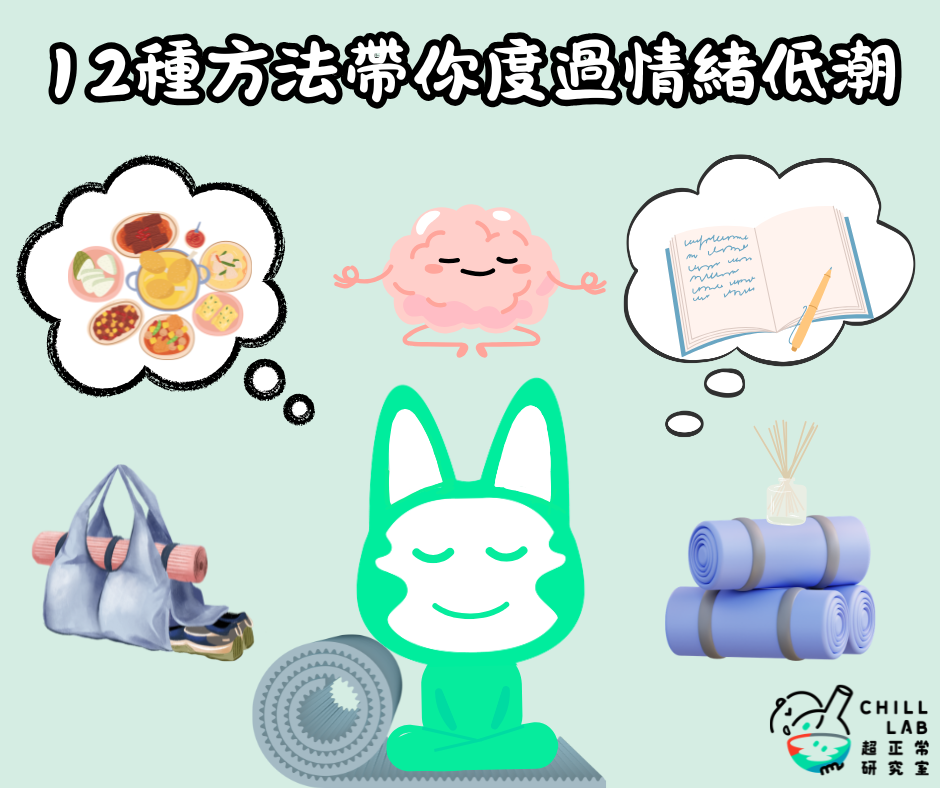
12 Ways to Overcome Emotional Low Tide

Everyone experiences periods of emotional lows; it’s a natural part of life. The key is not to avoid it but to learn healthy ways to cope. Here are 12 effective methods to help you regain balance and strength.


  1. Perceive Your Emotions: Recognize what you’re feeling and accept its presence without self-criticism.
  2. Write a Journal: Use writing to sort out your thoughts and clarify the underlying causes of your feelings.
  3. Practice Mindfulness Meditation: Focus on your breath, relax your body and mind, and release anxiety and agitation.
  4. Adjust Your Mindset: Believe in your ability to emerge from lows, let go of what’s beyond your control, and view challenges with mindfulness.
  5. Read or Draw: Broaden your horizons, ignite creativity, and transform your inner emotions.
  6. Get Good Sleep: Put down your phone, create a comfortable sleeping environment, and allow your body and mind to rest.
  7. Disconnect from the Internet: Temporarily turn off digital devices, return to simple life, and savor the present moment.
  8. Talk to Someone: Trusted friends or family can provide support and different perspectives, making you feel less alone.
  9. Take a Walk and Sunbathe: Sunlight boosts your mood, activates brain cells, and improves emotional well-being.
  10. Declutter Your Space: Clean your environment to bring inner calm and a fresh start.
  11. Clear Your To-Do List: Tackle procrastinated tasks one by one, gain a sense of achievement, and enhance your sense of control.
  12. Seek Professional Help: If your emotions persist and are hard to manage, bravely seek counseling. Professional support can bring deeper healing.


Emotional lows are temporary. By using these methods to care for yourself, you can recharge your spirit. Remember, taking care of yourself is not a sign of weakness but the first step toward becoming stronger.


Second Semester Uniform Test Approaches: Four Tips to Release Study

The second-semester uniform test is coming soon, and many students are facing heavy study pressure.

Here are four practical tips to help you release emotions, regain your footing, and face the uniform test challenge with greater ease.


Four Tips to Release Study Pressure

Tip 1: If you feel like crying, just let the tears flow! 

When pressure hits hard, tears are a natural way to vent—like opening the floodgates of a reservoir to release built-up inner tension. Allowing yourself to cry can discharge feelings of “I can’t do this” and restore your strength to move forward. During uniform test preparation, a short crying session followed by returning to your books often works even better.

Tip 2: Re-anchor yourself, calm down, and organize your thoughts 

When everything feels chaotic, try this: place your fingers on your pulse—feel three beats, then take a deep belly breath; feel three more beats, then slowly exhale. This simple technique pulls your attention back to the present and quiets the thousands of racing thoughts in your mind. Before diving into uniform test review, give this a try—it helps you focus clearly on the question right in front of you.

Tip 3: Get your body moving 

Don’t set the bar too high for exercise! Step away from your desk, look out the window, and do high-knee marches (lifting knees to 90 degrees) for 10–15 minutes. As your body warms up, dopamine is released, melting away that frozen, stuck feeling caused by stress. During the final sprint for the uniform test, these short bursts of activity can quickly recharge your learning energy.

Tip 4: Redefine your learning goal 

Stop studying only to meet other people’s expectations. Instead, view the uniform test as a valuable opportunity to broaden your horizons. Learning isn’t just about grades—it’s about connecting with the world and discovering new knowledge. Shift your focus to internal motivation, and studying can become something you enjoy rather than a source of pressure.

Ten Effortless Habits: Micro-Adjustments for Better Mental and Physical Wellbeing

In our daily lives, we often feel that “change” is an exhausting endeavor. However, building psychological resilience doesn’t necessarily require a drastic overhaul. According to the psychological theory of “Mini Habits,” when an action is so simple that it is “impossible to fail,” the brain finds it much easier to sustain.

Here are ten effortless habits to help you regain a sense of control in your life:

Daily Micro-Exercises:

1. Morning Stretch: Spend 30 seconds stretching in bed upon waking. This activates the parasympathetic nervous system and wakes up both body and mind.

2. Stay Hydrated: Sip some warm water when you feel anxious; staying hydrated helps stabilize your emotions.

3. Three Good Things: Before sleep, recall three “small wins” from your day to cultivate a positive mindset.

4. Three Deep Breaths: When feeling tense, take three deep breaths to rapidly lower your heart rate.

Environmental & Social Tweaks:

5. Clear Your Desk: Spend just one minute a day tidying your workspace to reduce visual stress.

6. Unplug: Step away from screens 10 minutes before bed to prevent “comparison anxiety” from social media from disrupting your sleep.

7. Initiate Greetings: Offer a smile or a greeting to one person daily to build small but meaningful social connections.

Cognitive Micro-Shifts

8. Allow Imperfection: Replace “I must do this perfectly” with “I will do my best” to lighten your psychological burden.

9. Create White Space: During breaks, allow yourself to “zone out” without checking your phone, giving your brain a chance to reboot.

10. Give Praise: Compliment others on their efforts. This “altruistic behavior” actually rewards you with a sense of joy.

Change relies on systems, not just willpower. We suggest picking the easiest habit from this list to start with. Remember, even the least progress is still progress.

Lunar New Year: Achieve 100% of Your Wishes!

Lunar New Year is the perfect time to replan and envision the future. Many people set new goals during this period, hoping to achieve greater growth and breakthroughs in the coming year. However, many goals are difficult to accomplish due to vagueness or unrealistic expectations, leading to a cycle of “planning but not completing, then starting again.” This mainly stems from a lack of specific action plans and ongoing tracking mechanisms.


To improve the chances of success, we can apply the SMART goal-setting method. This approach emphasizes:

– Specific: Clearly define the goal.

– Measurable: Establish quantifiable standards to track progress.

– Attainable: Set challenges that match your abilities.

– Relevant: Ensure the goal aligns with your core values.

– Time-bound: Set a clear deadline.


Additionally, breaking down large goals into small steps and regularly reviewing progress can help maintain motivation and direction. Systematic goal setting can guide us step by step toward success, turning our New Year’s wishes for 2026 into real achievements. Let’s use these strategies to embrace a brighter future!

Every Emotion Has Its Own Unique Meaning

So often we label certain emotions as “bad” — anger feels scary, sadness feels weak, fear feels embarrassing. But the truth is: no emotion is your enemy. Each one acts like an inner signal light, gently (or sometimes urgently) telling you what deserves your attention and what action might be needed. Joy, sadness, surprise, fear, disgust, anger — these six basic emotions each carry their own special meaning and value.


  • Joy: It whispers: “This is good for me.” It motivates you to repeat the experience and draws you closer to others. Joy is life’s fuel — it encourages you to keep going.
  • Sadness:  It says: “I’ve lost something important — please stay with me.” Sadness isn’t weakness; it’s the slow, necessary process of digesting loss, reflecting on life, and growing deeper. It also invites people who truly care about you to come closer.
  • Surprise:  That brief “Whoa!” moment in one second. It forces your brain to refocus instantly — like hitting the emergency brake. Surprise helps you quickly assess: Is this safe or dangerous? It keeps you alert and adaptable.
  • Fear:  The most direct survival signal: “Danger here — protect yourself now.” It speeds up your heart, prepares your muscles to run or fight. Fear isn’t cowardice; it’s your brain working hard to keep you alive.
  • Disgust:  It acts like a poison shield: “This thing / behavior / person is harmful — stay away.” Disgust protects your body (spoiled food, toxins) and your values (dishonesty, disrespect). It helps you maintain boundaries and preserve your dignity.
  • Anger:  When boundaries are crossed or injustice happens, anger supplies energy and declares: “This is not acceptable — something needs to change.” Healthy anger empowers you to stand up, demand fairness, and protect yourself or others. It is a force for change, not just destruction.


There are no “bad” emotions — only misunderstood ones. Every emotion is here to serve you. They aren’t trying to control you; they’re trying to help you adapt and survive in the world.

When you learn to listen to their message instead of rushing to suppress or deny them, you gain much greater mastery over your life.

A gentle reminder: 

The next time a strong emotion arrives, try asking:  

👉 What is this feeling trying to tell me?  

👉 What do I need most right now? (Safety, comfort, a boundary, action?)

The answer might be surprisingly simple — but it can shift you from being *hijacked by emotion* to becoming *friends with your emotions*.

To accept all of your feelings is to accept the whole of who you are.