




CHILL LAB 超正常研究室 – 關注青少年的精神健康,讓參加者覺察及表達當下的情緒並調適自己

Choose-a-day insomnia

“Let me stay up late tonight and catch up on sleep tomorrow.” Do you think the same way? Many teenagers know that staying up late is unhealthy, but they still scroll on their phones, play games, or rush to complete homework late at night, thinking they can make up for lost sleep later. However, studies show sleep debt is hard to repay, and the cost of this “choose-a-day insomnia” is higher than you think.

Lack of sleep has a direct impact on emotional health. While you sleep, the brain organizes memories, clears waste, and balances neurotransmitters. When sleep is cut short, the amygdala—the part that helps manage emotions—can overreact, making you more irritable and anxious. Over time, this can raise the risk of mental health problems.

Building good sleep habits is the key to nightly care for your brain. Try to set a regular bedtime and wake-up time, even on weekends. Stay off electronic devices for at least an hour before bed to avoid blocking melatonin with blue light. Keep your room calm, dark, and quiet. Also, avoid caffeine or intense exercise close to bedtime.

Quality sleep is not a waste of time—it recharges you for the next day. With enough rest, you’ll learn more efficiently, feel calmer, and stay healthier. Tonight, turn off the lights, put down your phone, and give your brain a whole night of real rest—this is the best choice for yourself.

Self-Image or Self-Management?

“Self-image” is about how we see and evaluate ourselves. Have you ever considered that our “self-image” is closely linked to how we “manage” our outward presentation – that is, your “self-management”?

“Self-image” is internal; it’s your understanding and feeling of your own worth. “Self-management” on the other hand, involves external actions – the concrete choices we make to shape and express this “self.”

Many people narrowly interpret “self-management” as dieting and pursuing a perfect appearance. However, truly healthy “management” means taking comprehensive care of yourself:

• Nourishing your Body: Eating a balanced diet to give your body sufficient energy, rather than torturing it with extreme methods.

• Nourishing your Mind: Allowing yourself to feel emotions, learning to cope with stress, and giving your inner self adequate rest.

• Managing your Life: Developing interests, building genuine relationships, and finding meaning and satisfaction in life.

When we obsess over external standards and force ourselves to maintain a “perfect” image, our internal self-image often becomes more fragile and negative.

A truly solid self-image stems from a form of “self-management” that is kind to oneself: accepting your imperfections, appreciating your uniqueness, and taking action to nurture your body and mind. Remember, you are not a product that needs fixing, but a life worthy of careful stewardship.

Instead of fixating on an image you feel isn’t good enough, why not start today by rethinking how you nourish and manage yourself?

Stress Responses in Conflict

Have you ever felt intense pressure, even experiencing a racing heartbeat or difficulty breathing? 😖

In fact, stress is a natural response of humans in conflict situations, typically involving physiological and psychological changes. 😉

On a physiological level, common reactions include a quickened heartbeat, rapid breathing, or muscle tension. Prolonged stress responses can negatively impact the body, leading to issues such as problems with the immune system.

On a psychological level, we often feel helpless or despairing when facing conflict, which can lead to anxiety, depression, and fear.

Everyone reacts differently to stress, and stress management techniques are very important. Here are some tips. 😉👇

Pause and Reflect 😉
Take deep breaths to calm yourself down and relax, allowing you space to organize your thoughts and find solutions to the problem.

Communicate Rationally 😉
Try to understand the other person’s feelings by thinking from their perspective, which helps reduce misunderstandings. Even if you disagree with their viewpoint, try to express understanding and respect for their feelings.

Seek Professional Support 😉
If you feel the conflict is severe or the stress is overwhelming, consider seeking professional help, such as a social worker or counselor.

By understanding the stress responses in conflict, and finding the right stress management methods for yourself, you can better handle the stress that conflict brings, benefiting your mental health and improving interpersonal relationships.

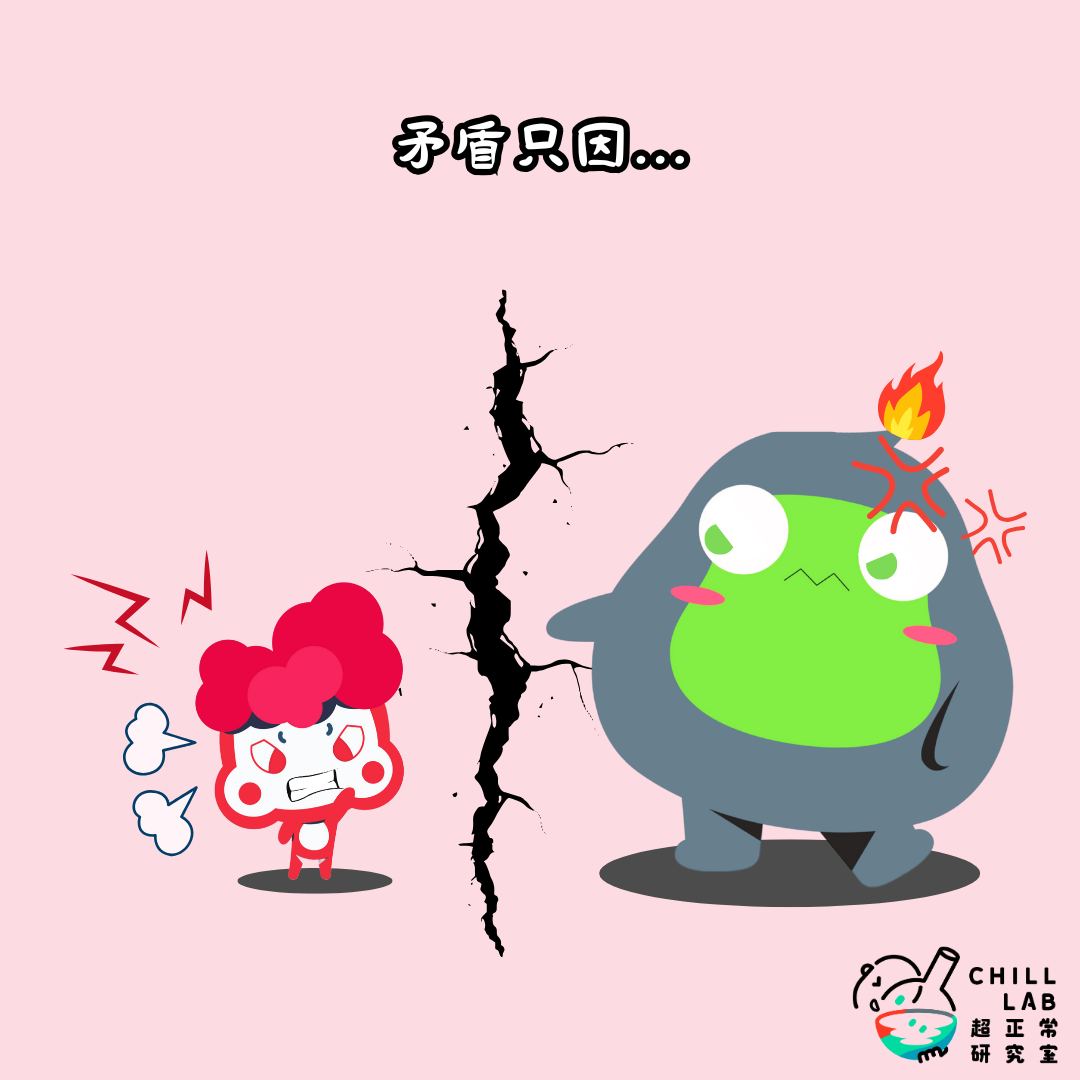
Conflicts arise only because…

We’ve all used to conflicts with others. At the moment, we may really want to stick to our own views, but that can easily lead to arguments and harm the relationship. 😣

Sometimes, there’s no need to decide who’s right or wrong, what we need is understanding and tolerance. 😉

Conflicts often happen simply because we fail to grasp the other person’s true intent, leading to misunderstandings. But with rational communication, many problems can be resolved! 😉

First, steady your emotions, then look clearly at the facts and communicate rationally, this is very important! Here are some tips 👇:

1. Cool down your emotions
Responding immediately and fighting back often escalates the harm. Consider stepping away for a bit, taking deep breaths to relax, or switching to written communication to avoid confrontation.

2. Distinguish “facts, feelings, assumptions”
Try to state the facts rationally and be honest about your feelings, but avoid treating your own assumptions as conclusions.

Use “I” statements to express your feelings, such as “I feel…” instead of “You always…,” which makes it easier for the other person to accept and facilitates communication.

3. Practice active listening
Try to understand the other person’s genuine thoughts and feelings—you’ll find that most conflicts stem from misunderstandings.

4. Seek win–win solutions
Aim for mutual understanding and tolerance to find common ground.

Resolving interpersonal conflicts takes patience and skill. When we’re willing to listen and communicate rationally, we can reduce misunderstandings and better resolve conflicts.

How to Help Children Learn?

Helping children in their learning is a vital task for parents. The key lies in nurturing children’s interest and establishing good habits, rather than merely chasing grades. Creating a learning environment that encourages exploration and accepts mistakes is crucial. When children feel safe, they would be able to try new things, questions, and thus unlock their infinite potential.

1. Foster a Secure Learning Environment
The core is to establish a “psychologically safe” environment. Let your child feel accepted and understand that their worth extends beyond test scores, encouraging them to experiment and make mistakes. This is the fundamental element for stimulating interest in learning and preventing anxiety.

2. Act as a Guide and an Emotional Coach
Parents should act as guides and children’s emotional coach. Integrate learning into daily life, such as reading together or exploring museums, focus on appreciating children’s effort and problem-solving skills. This kind of acceptance and encouragement effectively protects their intrinsic motivation and self-esteem, helping them avoid performance anxiety. Their inner drive would be motivated when learning is no longer just about pleasing others.

3. Cultivate Autonomy and Balanced Habits
It is essential to teach children how to set goals, manage their time, and learn relaxation techniques, helping them balance academics with rest. These are not only keys to academic success, but also crucial healthy life skills. Ensuring children with sufficient time for rest and relaxation allows learning to continue effectively and sustainably.

The most important point is to maintain open communication. When children face difficulties, they need emotional support and acceptance. Understanding and supportive attitude from parents are their strongest backup and a source of confidence. By maintaining mental well-being, children could possess boundless energy needed for learning.

Ice breaking

In modern society, teenagers face challenges in building friendships and interpersonal relationships. Proactive ice-breaking is key; through self-introduction and sharing interesting anecdotes, they can quickly bridge the gap between each other. Participating in school activities or community projects is also a great way to expand their social network. Being friendly, taking the initiative to greet others, and offering help can effectively strengthen connections among classmates.

Finding common interests is a good way to make friends. During conversations, discovering shared hobbies, such as music or sports, can foster deeper exchanges. At the same time, respecting each other’s differences and backgrounds helps create an inclusive environment that breaks down barriers.

Lastly, conducting group discussions where everyone has a chance to speak not only enhances understanding but also deepens friendships. In summary, proactivity, friendliness, and respect are the foundations for building good relationships, enabling teenagers to grow into more compassionate and empathetic individuals as they explore friendships.

  1. Proactive Ice-Breaking
    • Self-Introduction: Take the initiative to introduce yourself and share something interesting, such as, “I like playing basketball; how about you?”
    • Share Stories: Relate amusing or interesting experiences to make the other person feel closer.
  2. Expand Social Networks
    • Participate in Activities: Join school or community activities, which are great opportunities to meet new friends.
    • Form Groups: Organize group activities, such as book clubs or sports teams, to increase interaction.
  3. Be Friendly with Classmates
    • Initiate Greetings: When encountering classmates on campus, take the initiative to greet them, making them feel your friendliness.
    • Offer Help: Proactively assist classmates during lessons or learning, which will enhance mutual relationships.
  4. Make Friends
    • Seek Common Interests: When chatting with classmates, look for shared interests, making it easier to build friendships.
    • Share Activity Experiences: Invite classmates to participate in activities or study together to increase interaction.
  5. Break Down Barriers
    • Respect Differences: Understanding and respecting each other’s differences helps create an inclusive environment.
    • Encourage Group Discussions: Foster discussions in groups, allowing everyone to express their opinions, which can enhance understanding and trust.

Conclusion
Proactivity, friendliness, and respect are crucial for establishing good interpersonal relationships. Through these ice-breaking tips, teenagers can more easily connect with others and strengthen friendships.

Back to School: Get Set Go

The new semester is here, and adjusting your mindset is key to adapting to new environments and challenges. Here are simple, practical tips to stay on track:

  1. Embrace Changes

New courses, teachers, and routines are inevitable. Approach them with an open mind instead of fear—you’ll grow faster than you think!

  1. Set Realistic Goals

Pick specific, achievable goals (academic or social) at the start. They’ll keep you motivated and focused all semester.

  1. Build Good Study Habits

Stick to regular study times, take clear notes, and finish assignments promptly. These habits boost efficiency and cut stress.

  1. Acknowledge Your Emotions

Mood swings (anxiety, excitement, frustration) are normal. Release stress through exercise, journaling, or meditation to stay mentally well.

  1. Prioritize Self-Care

Don’t overlook downtime—read, watch a movie, or meet friends. It helps you relax and recharge.


Nail these steps, and you’ll have a fulfilling, happy semester ready to take on any challenge!

6 ways to relieve stress after the DSE results

The time for the DSE results is coming. I believe that every parent and student will have a variety of emotions and thoughts in their hearts. But how can we change ourselves in an uneasy state to reduce negative thoughts and emotions? We can try to use the following methods to help ourselves.


Prepare yourself

  • Collect different information about further studies and employment, and give yourself different choices and ways out
  • Discuss further studies and employment directions with family, teachers and trusted people
  • Anticipate different results of the results, and formulate multiple coping plans to prepare your mentality


Seek encouragement and support

  • Find people who can encourage and support you, and chat and meet with them more
  • Use your creativity to make cards with words or pictures to add positive energy and encouragement to yourself


Temporarily divert attention

  • Make a list of small activities that make you happy, and choose 1 activity to focus on each time to help improve your mood


Engage in meaningful activities

  • Make a list of activities that you find meaningful, and choose 1-2 activities to focus on each time
  • Write a gratitude diary
  • Think about the people you care about and love, and show them care and love (e.g. call them to say hello, give them a small gift) to make them happy


Maintain a routine

  • Maintain a regular daily routine and keep your body, mind and soul healthy
  • Get enough exercise and sleep


Develop more interests and hobbies

  • Build your own interests and hobbies and try different things

      •  Give yourself 30 minutes of ME TIME every day

JUPAS Subject Selection: Interest or Career Prospects?

Every year during the JUPAS application period, many students face a difficult choice: Should they follow their hearts and pursue their interests, or should they consider practical job prospects? While this seems like an either-or situation, finding a middle ground is possible.

Choosing subjects you’re genuinely interested in gives you more motivation and passion for learning. Interest helps you push through setbacks and challenges and keeps you enthusiastic and creative in your future career. However, we can’t ignore practical factors. Picking subjects with better job prospects does provide more stable income and career opportunities down the road, giving you more options in life.

The truth is, interest and career prospects don’t have to be complete opposites. Today’s society has highly specialized fields, and almost every area offers growth opportunities. The key is learning how to turn your interests into professional skills. Plus, university is just the starting point – there are plenty of chances to switch careers or pursue further studies after graduation. What matters most is developing your learning ability, critical thinking, and adaptability. These qualities last longer than specific technical knowledge.

Before choosing, research different subjects – their course content and prospects. Be honest about your abilities and interests, and do not just follow what everyone else is doing. Remember, the best decisions usually come after thoroughly understanding yourself and the world around you. Ultimately, success comes down to your hard work and persistence, no matter what subject you choose.

The release of exam results is a new beginning in life, not the end

The DSE results will be released on July 16th. For many candidates, this paper determines their future direction. How should parents and students face this significant moment?

The following content provides some advice for students and parents on how to cope with various emotions before and after the results are released.

First, it is important to understand that feeling anxious or worried when facing the unknown is a normal emotional reaction, and it has nothing to do with how much preparation the student has done.

Even if the results of this diploma exam are not ideal, they cannot determine the candidate’s true abilities. Because public exams are often influenced by many external factors, such as family circumstances, personal health, and the exam environment—situations beyond the candidate’s control—don’t doubt your abilities just because the results are not as ideal as you hoped.

Remember, public exam results are not the only indicator of future job and career development!

In fact, most people’s career paths and personal achievements are not closely related to their academic performance.

In the end, the role of parents is extremely important. The ideal approach is to let children know that their parents will always be by their side. “Parents don’t necessarily need to say much, especially those who consider themselves not good at expressing. Often, a hug or a pat on the shoulder is enough to reassure the child.”

Additionally, parents can treat their children to a hearty meal, because regardless of the results, the children have completed a significant test in their lives for the first time. No matter the outcome, there will always be other paths to choose from.

So, DSE candidates, the most important thing is to adjust your mindset early, prepare thoroughly for the results release, and have different study plans ready, so you won’t feel panicked on the day the results are announced.

Wishing everyone the best of luck with their exam results.