
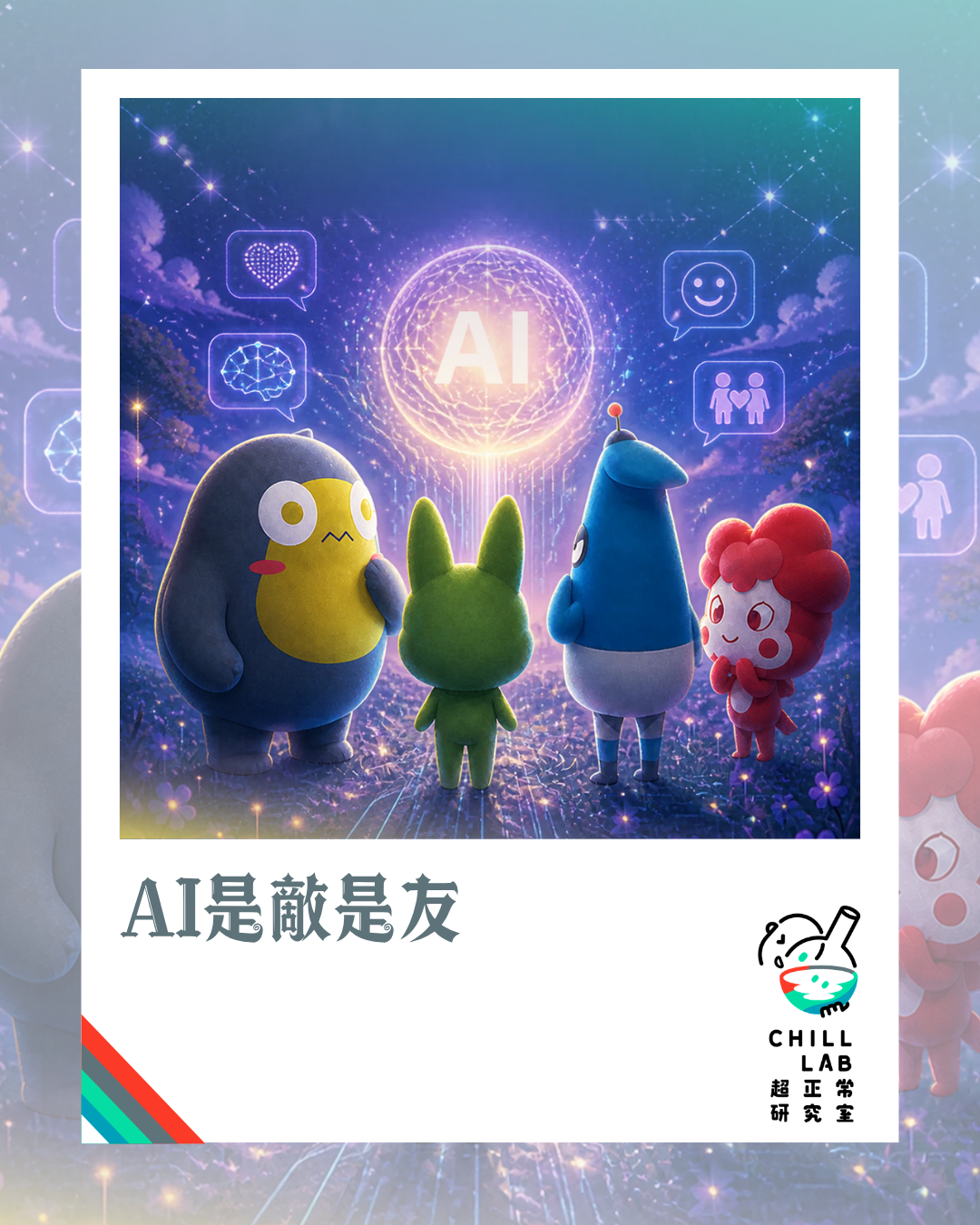
AI, as a partner in emotional interaction, can affect our psychological well-being. According to attachment theory, people tend to form attachments to those who respond consistently. Because AI offers immediate, seemingly unconditional feedback, it can be perceived as a reliable and stable “caregiver,” encouraging people to project their feelings onto it. Combined with the brain’s dopamine reward system, AI’s praise and companionship can reinforce a cycle of dependence, potentially leading people to withdraw from real-life relationships.
Common patterns include emotional compensation (turning to AI to ease loneliness), romantic attachment (allowing a virtual partner to replace real intimacy), and cognitive dependence (relying on AI to make decisions about everything).
How can we tell if we are becoming emotionally dependent on AI? Look out for these signs:
- Turning to AI to confide in before talking to people in your life
- Feeling anxious or dejected when a conversation with AI ends
- Losing interest in socializing in real life
- Experiencing significant mood swings in response to AI’s replies
- Spending more time using AI each day than intended, while finding it hard to cut back
AI may have become an indispensable part of our lives. How, then, can we reduce our dependence on it? We can set time limits, learn to establish boundaries, deliberately make more time for face-to-face interaction to rebuild a sense of security in our relationships, and seek support from others when needed.
AI is a tool, not a substitute for emotional connection. By maintaining our own agency, we can avoid becoming emotionally hollow.