





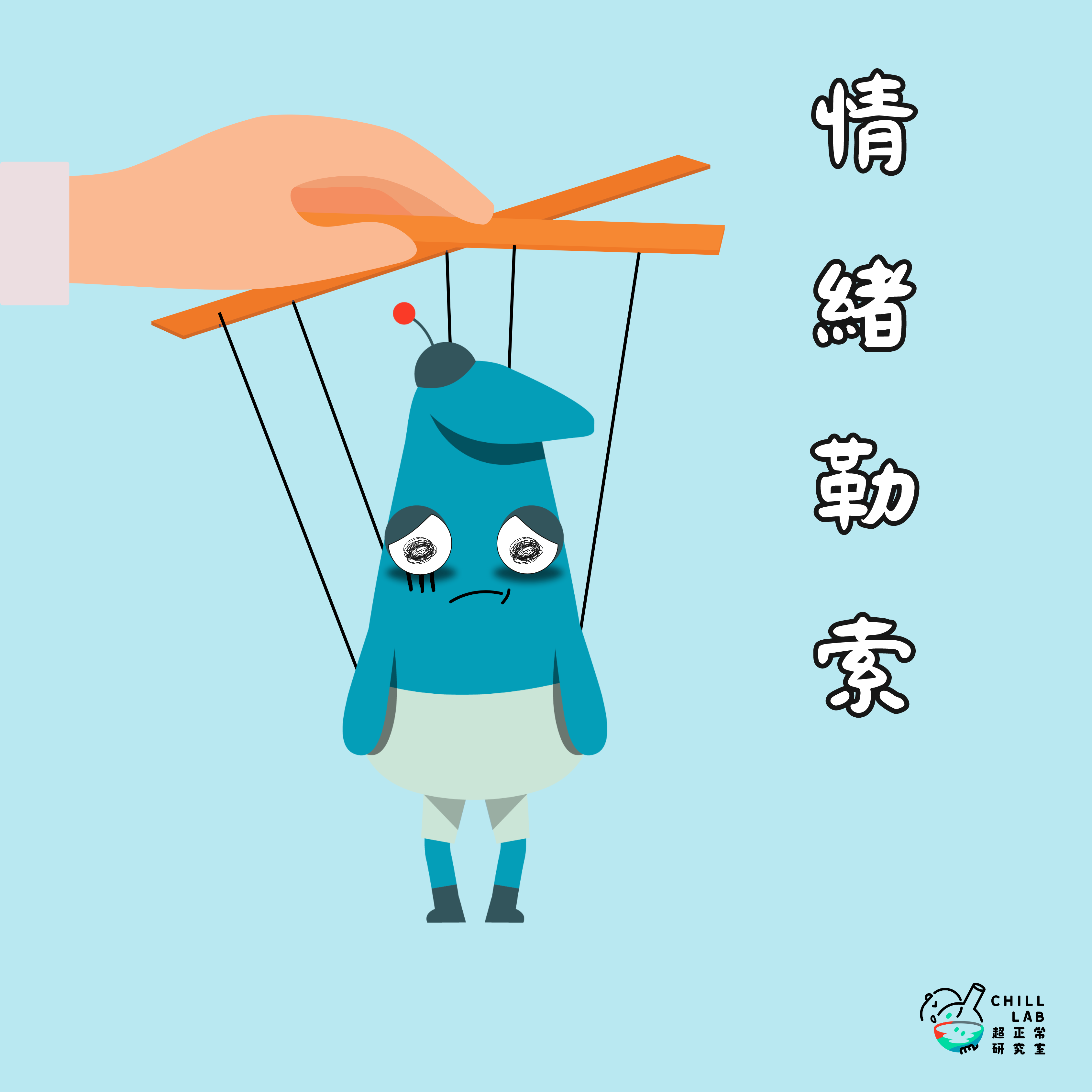
Emotional blackmail is a concept introduced by psychologist Susan Forward. It refers to using fear, obligation, and guilt to control others in intimate relationships such as in the workplace, parent-child relationships, marriage, romantic relationships, and friendships. Emotional blackmailer manipulates the victim into experiencing negative emotions such as frustration, guilt, and fear. The victim would feel trapped, low in self-worth, and thus unable to see the reality of the situation, leading to self-doubt and ultimately complying with the blackmailer’s demands.
There are six key characteristics of emotional blackmail:
1. Demand: The emotional blackmailer presents a clear request or demand to the victim.
2. Resistance: The victim feels uncomfortable or unable to accept the demand and attempts to refuse or resist it.
3. Pressure: In response to the victim’s resistance, the blackmailer further emphasizes their demand and adds pressure.
4. Threats: If the pressure does not lead to acceptance, the blackmailer uses the victim’s emotions to directly or indirectly threaten them into complying with their demand.
5. Compliance: To avoid the negative consequences the blackmailer threatens, the victim often gradually gives in and complies with their demands.
6. Repetition: Once the victim complies, this behavior can become a recurring pattern, creating a vicious cycle of emotional blackmail.
Tips for avoiding emotional blackmail:
When you suspect that you may be experiencing emotional blackmail, you can use the following SOS strategy to respond:
1. Stop: When engaging in emotional blackmail, it is important not to immediately respond to the blackmailer’s demands. Take a moment to pause and delay, giving yourself time and space to think. If necessary, you can leave the venue to avoid being influenced by the blackmailer’s emotional fluctuations.
2. Observe: Once you can stop and stay away from the pressure, try to observe the situation from an outsider’s perspective. Through reflection, observe the blackmailer’s intentions, demands, and methods, and be aware of your thoughts and feelings. For example, pay attention to the words or actions used by the blackmailer that make you feel afraid, guilty, or compelled to comply.
3. Strategize: After reflecting, you can develop strategies to respond to the blackmailer, and practice until you can clearly and firmly express your decisions to the blackmailer. Strategies such as non-defensive communication can present boundaries and avoid triggering the blackmailer’s emotions. For example, you could say, “I understand you’re angry, but when you treat me like this, I feel really hurt…”